Does my litter box need a liner, a pad, or a drawer bag?
Choose a litter-box liner only when it fits the exact box, your cat leaves it alone, and it makes your cleanup easier. If claws, chewing, or pulling turn the liner into another mess, compare a no-liner routine instead. For a sifting box or robot, match the bag or pad to that system; a standard litter pan liner, a robot-specific bag, and an absorbent pad do different jobs.
What real setups changed the decision?
These household outcomes point in different directions. They are individual experiences, not controlled product tests or rules for every cat.
A jumbo liner still tore
One owner replaced a difficult-to-clean automatic unit with a flip-top pan and tried jumbo odor-control liners. Even with regular nail trims, the cat kept making holes.
The litter type changed whether a liner stayed useful
One sifting-box household used liners with wood pellets because the sieve kept the liner from being scratched. After switching to clumping litter, the liner was getting shredded, so the household stopped using it for that setup.
Securing a pulled liner made one cat scratch more
One cat pulled the liner away from the rim and used it while trying to cover waste. The owner taped the loose liner in place; the cat became more aggravated and scratched holes into it. A tighter attachment was not a fix in that home.
A DIY sifter meant repeated batches
One wood-pellet setup used a quarter-inch mesh classifier over two five-gallon buckets. Sifting the litter took about five batches, and the owner wanted a roughly 24-inch system. The owner also noted that a solid lower pan would need a pee pad if pellets had not absorbed liquid in time, adding a separate pad-change step to consider.
Pads replaced the box for one mobility-limited cat
In one home, a senior cat that had stopped using the box was given several puppy pads in a row. The cat used each pad only once, so the caregiver planned around that pattern instead of treating pads as a liner for the old tray.
The examples are not a ranking of products. Each describes one household's setup and outcome.
Litterbox liners and litter pan liners: check the pan first
For a regular litter pan, compare the liner's stated dimensions with the pan's usable base and wall height. Check where the rim or lid holds the liner, and whether the package is intended for that style of box. A bag that covers the floor but leaves a loose edge may still give a cat something to grab.
If you are comparing cat litter box liners, cat litter liners, or litter pan liners, use the exact box measurements rather than the words “large” or “jumbo” alone. The experiences above show that a larger bag did not prevent one cat from tearing it, while fit and litter type changed how other setups worked.
Litter robot bags and litter box bags: match the exact unit
For a litter robot bag or other automatic-box waste-drawer liner, check the exact unit's replacement-bag instructions and dimensions. Do not assume a pan liner will attach to a waste drawer or clear a moving part just because the package calls it a litter-box bag. If you have a manual pan, compare it as a separate fit question.
Sifting litter box liners and cat litter pads
Before buying a sifting litter box liner, identify which pan holds the litter and where sifted material falls. If the system uses a solid lower tray, check whether its instructions call for an absorbent pad and how often that pad must be changed. The extra pad step may be worthwhile in one routine and annoying in another.
Cat litter pads are not the same selection problem as a liner around the pan. First decide whether the pad is meant to sit beneath a sifting tray or to serve as the cat's toileting surface. Then compare its footprint with the intended area and consider whether the replacement pattern is practical for your home.
Modkat liner and Jonny Cat liners: verify the exact fit
A brand name does not establish that a liner fits every box. For a Modkat liner or Jonny Cat liners, check the exact product name, intended box style, and listed dimensions against your pan before ordering. If the box is a model-specific or automatic system, follow that model's own liner instructions.
Does a Liner Save Work Through a Full Litter Change?
A liner saves work only if it leaves fewer tasks across fitting, scooping, removal, and reset—and your cat keeps using the box as usual.
Compare one complete change in your own setup. At each stage, note what the liner removes and what it adds; do not count only the final lift.
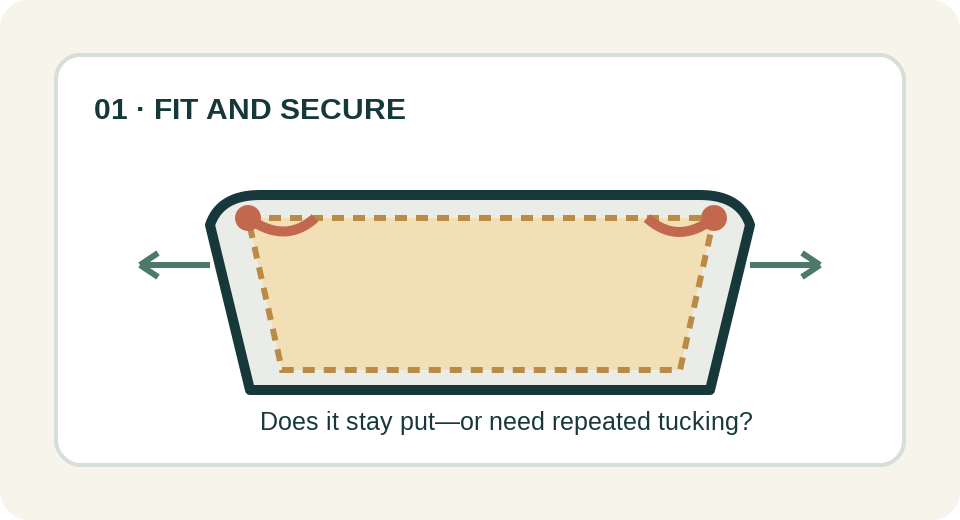
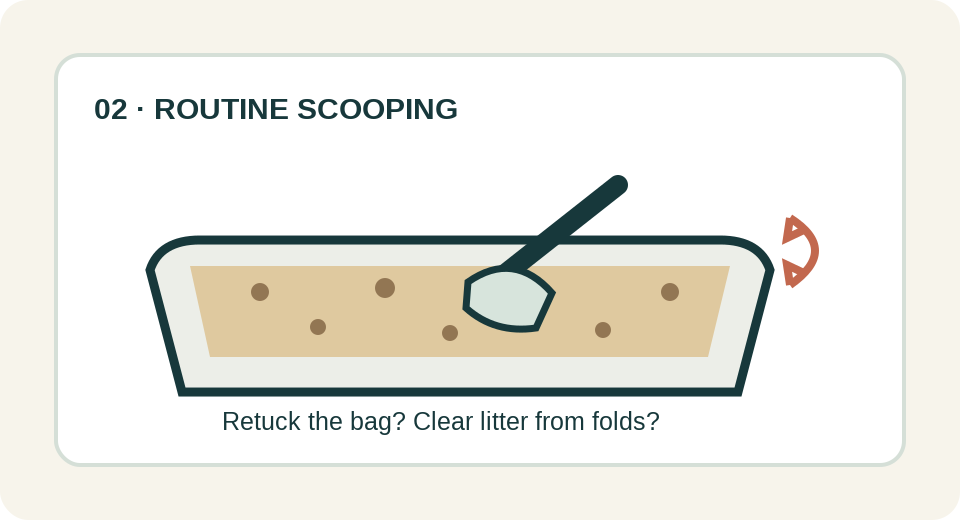
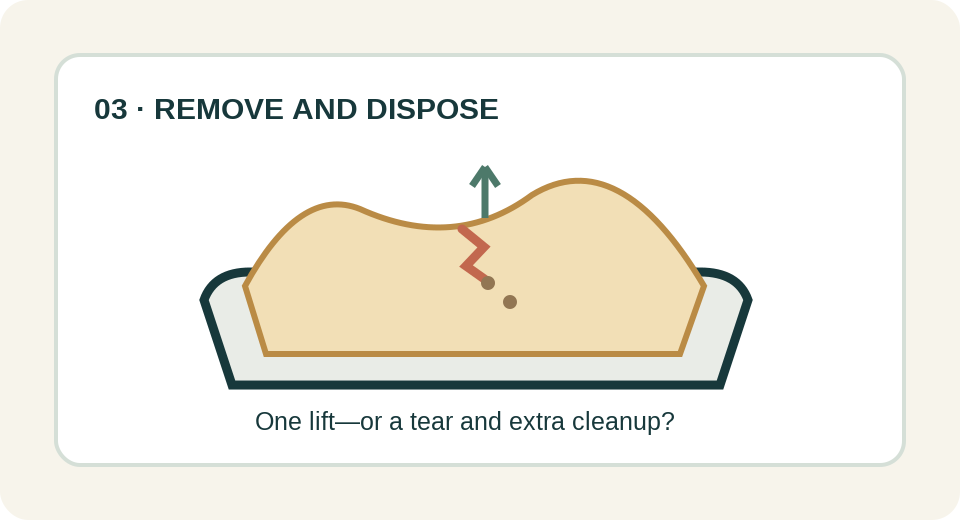
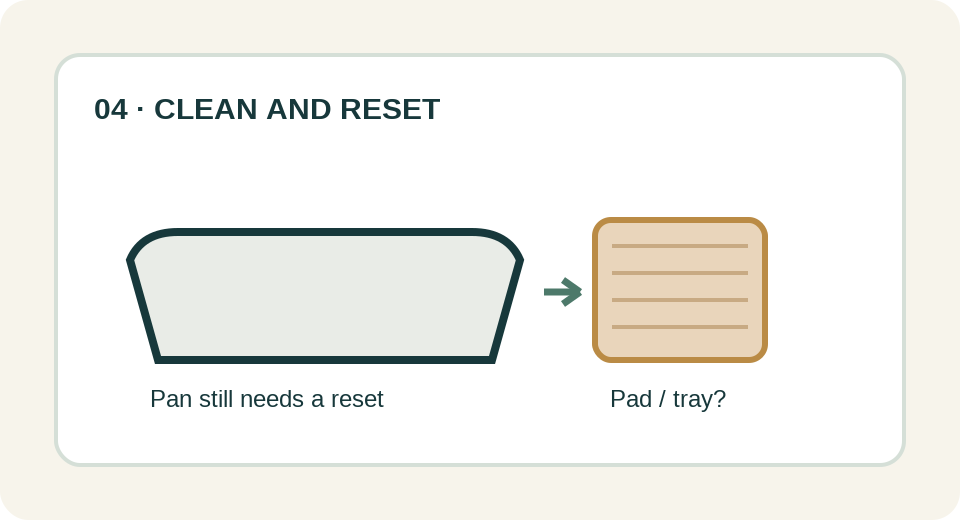
| Stage | Work it may remove | Work it may add |
|---|---|---|
| Fit and secure | Record any setup or later cleanup task the liner actually prevents in your pan. | Repeated tucking or fastening. One household taped a pulled edge and saw more scratching rather than a fix. |
| Routine scooping | Count a scooping step as removed only if your own routine shows it. | Moving the liner aside or clearing litter from folds. The wood-pellet sifting setup changed after that household switched to clumping litter. |
| Remove and dispose | Note whether an intact liner combines lifting and discarding in your setup. | A tear can leave litter to retrieve and clean up; one jumbo liner still tore. |
| Clean and reset | Record only a cleaning step you actually skip after removal. | Count washing, refilling, or changing a pad that remains. One lower-tray pellet setup added a separate absorbent-pad change. |
These households used different boxes, litter, and routines; their outcomes show what to check, not which liner will work for every cat. Keep an optional disposable liner for an ordinary pan only when the whole routine is easier and your cat continues using the box. An ordinary pan liner is optional; a model-specific insert or waste-drawer bag is different and must follow the equipment instructions.
When the liner or the whole box leaves the house
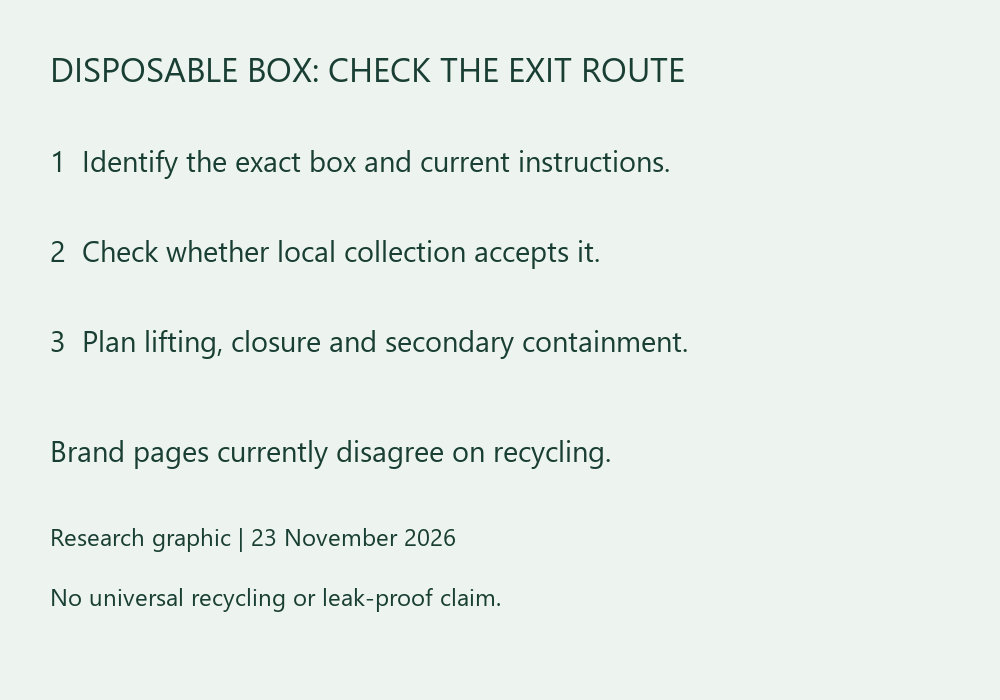
Plan the removal route before counting a liner or disposable box as a saved cleaning step: check what you can lift, how the used litter is enclosed, and which bin actually accepts that exact item. A liner that tears during use can turn one lift into a separate litter transfer.
In an October 5, 2026 first-person post, lozenger9 reported that a bag required by the tray was torn after the cat used it and tried to cover waste. The torn bag covered the litter, so the owner reported changing it daily; in the follow-up they tried a second bag and more litter. The post does not establish that this adjustment fixed the behavior or that a different tray would be accepted.
In an April 21, 2026 first-person post, ExcitingChain6196 said a cat's pawing tore newly acquired liners and made them unusable as fitted pan liners. A commenter in that thread described repurposing torn-liner stock as a bag for the dirty litter during a full change; that is a separate person's reported workaround, not a proven result for the original cat. These two sequences show why fit, daily scooping and final removal should be checked together.
For a disposable box, the current instructions for the exact product matter. Kitty Poo Club's help page, updated October 21, 2026, says to close its used box with litter inside and put the whole thing in household trash. Its separate impact page describes emptying used litter into trash, then recycling the empty box. Those first-party pages describe different routes; neither establishes that a particular local recycling service accepts the used box. Check the local collection rule before treating the recycling route as available.
Common questions
Are cat litter pads and litter-box liners interchangeable?
No. Confirm where the specific box places a pad; a pad beneath a sifting tray and a liner against a pan are not interchangeable just because both are sold for litter boxes.
What if my cat tears a litter box liner?
Check whether the cat is pawing, pulling, or chewing the material. A thicker or larger liner is not guaranteed to solve that behavior; if the liner keeps making the job harder, compare a no-liner setup instead.
Are litterbox liners required?
No. The household results varied: some found a liner useful in one setup, while others stopped when it tore or added a step. Judge it by the cat's response and the cleanup it actually saves.
Decision rule: match the insert to the box first, then watch the cat and the cleanup. Standard litterbox liners, litter robot bags, sifting liners, and cat litter pads serve different setups; do not buy by a broad label alone.